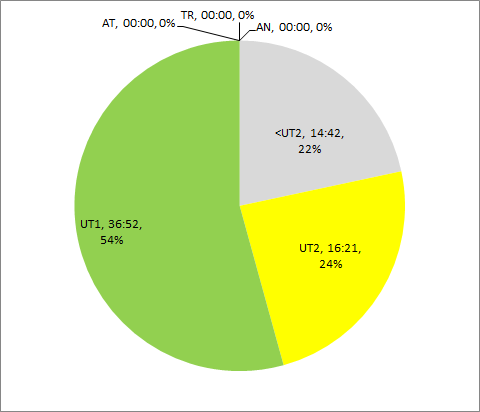
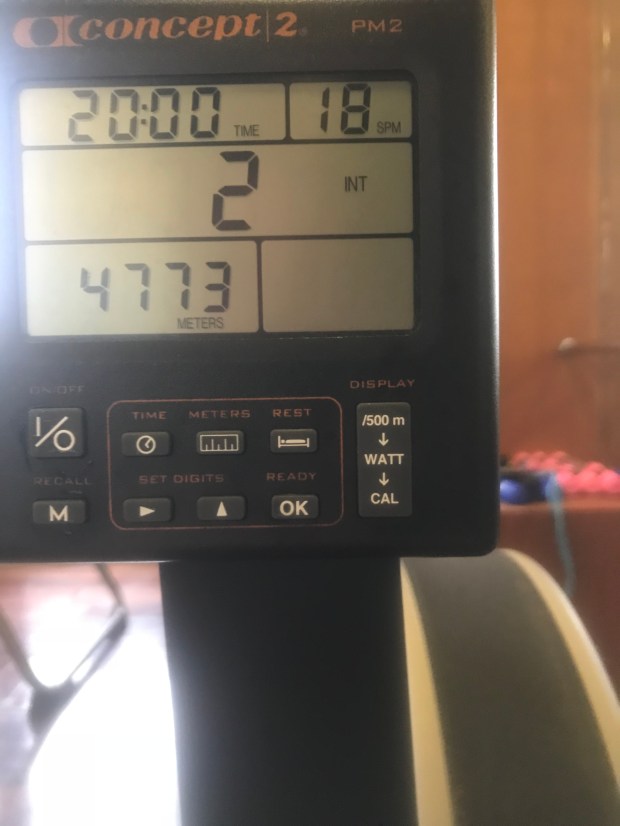
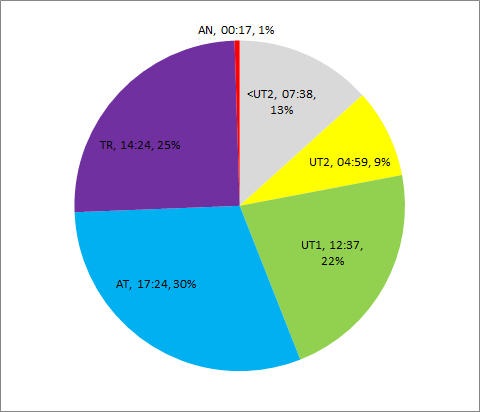
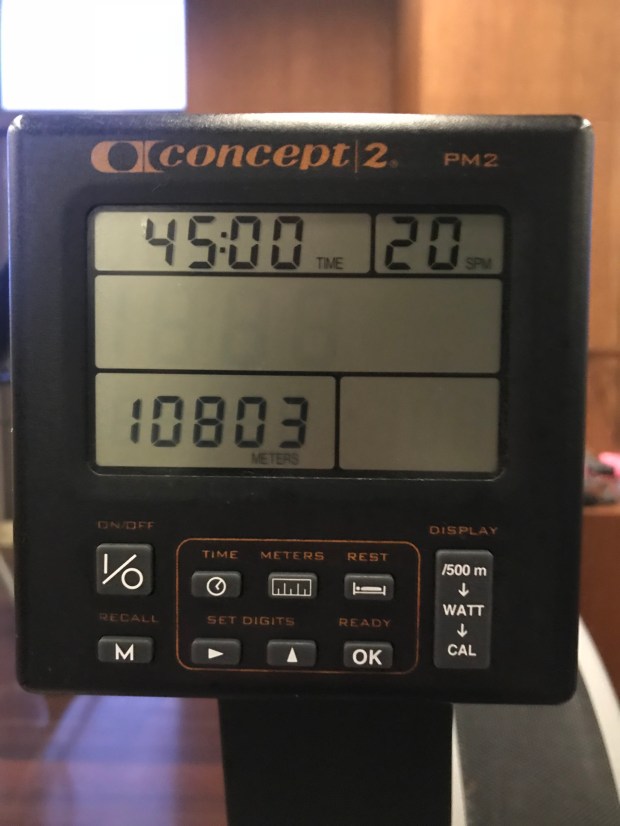
Sat: Hour of Power

I flew back from Taiwan, departing at about midnight, flying about 13 hours to LAX, arriving at 7pm on Friday night.  I was through customs and in the lounge by about 7:45.  I waited for my next flight, which was a 10:45 departure to Boston.  I must admit that this flight felt really long, even though it was only about 6 hours.  I watched a movie, did a couple cross word puzzles and napped a little, but I arrived in Boston feeling pretty tired and achy.

I was home by 8:00am and in bed by about 8:01.  I slept until 11:30 and I felt like I had been hit by a truck when I woke up.  After some breakfast and a littel time, I started to feel normal again.  We are having a snowstorm today in Massachusetts, so there wasn’t much to do.  I just did a little christmas shopping on line and wasted time until around 5pm.  That’s when I decided to do a bit of erging.

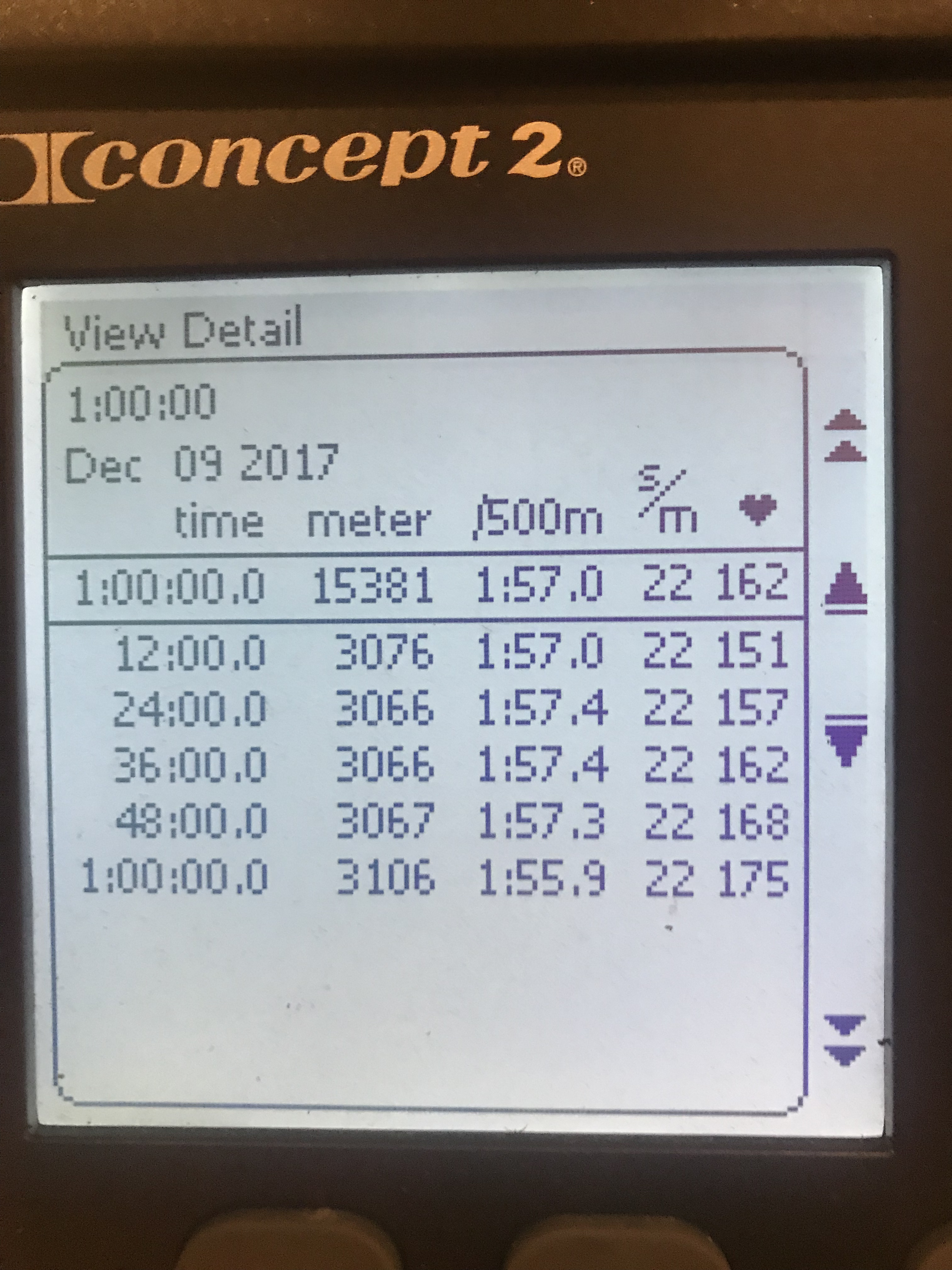
The plan was an hour of power.  The rules are simple.  Limit the rate to r22 and see how many meters you can get over an hour.  So, that’s what I did. My previous attempt at this was on the dynamic, so it it really didn’t count. Based on my recent workouts, I figure I was good for a 1:58 pace, so I set out with the goal to keep 1:57 or 1:58 on the screen.

All was going well until about 18 minutes into the workout when my phone abruptly rebooted.  This took away my music and my painsled session.  But there was no way that I was going to stop this row.  I was feeling good.  My HR was bit high, but I expected that since I had spent so much time on planes over the past 36 hours.  I was not in trouble at any phase in the row and I aside from boredom due to a lack of music, the row was great fun.

To make it even better, I used a feature on the Sander is in development on to turn my PM splits into a workout that I can upload to strava.  I started with a PM screen shot.

2017-12-09 17.55.48.jpg

I took the splits and I filled out a handy template in excel.

Screen Shot 2017-12-09 at 9.04.10 PM

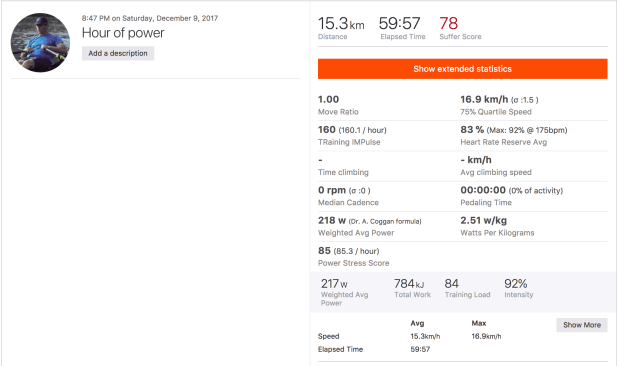
Then I uploaded the file, just like a normal workout file to rowsandall and exported it to strava.  And viola, the workout was there.

Screen Shot 2017-12-09 at 9.06.54 PM.png

This is pretty cool for me because I am using Strava as the repository for all the training that I do whether it is rowing, biking, running, walking or whatever.  Generally, I will just capture heart rate data if I cross trainand I can upload that easily.  But with rowing, because the ability to link up random rowers is limited, and the reliability of the connection, even with rowers that I use all the time is uncertain, it is great to have a way to get an approximation of the heart rate data into to strava to calculate my long term training trends.

So, I was happy about that, and I was happy about the workout.  I managed a 1:57 pace for 60 minutes.  I think this portends good things for the redo of my 75′ test later this week.

Tomorrow:  A hard one… 6 x (5′ @ 28, 5′ @ 18)   wish me luck.


Wed / Thur / Fri: Remarkable luck, an erg in Taiwan.

I flew out of SFO to Taipei at 12:05AM on Wednesday morning.  This is a 13 1/2 hour flight and with the time change, arrives at 5:50AM on Thursday morning.  On the flight, I managed to sleep about 7 hours, watch a movie, do a few crossword puzzles and do some work.  I finally arrived at my hotel around 7:30AM.

Thursday

I was being picked up to go to the office at 10:00, so I didn’t have enough time to sleep, but too much time to just shower and go to work, so I decided to go do a workout.  I was lucky that the plan called for an easy one today.

  • 3 x 20′ / 3′
  • Cat VI: Pace 2:06-2:11, Rate: 18

The fitness center has a pristine looking Model C.  It took me a couple minutes to remember how to use the old style PM, but the drag factor was good.  The handle return shock cord was a bit slack, but for this workout it didn’t matter at all.

I was expecting to under perform, but it turned out to be a good workout.

12-7a.png

12-7b

It was one of those workouts where I felt better afterwards than I did before.  The rest of the day was sequence of meetings, more meetings, receptions, and a formal dinner for 200 people.  The best thing about the dinner was that it took place in my hotel, so I walked to the elevator, went up to my room and I was asleep by 9pm.

Friday:

I woke up before my alarm, around 4:30.  I tried to get back to sleep, but gave up just after 5am.  I did my PT exercises, and headed to the gym about 5:45.  Today’s workout was a bit more challenging.

  • 45′
  • Cat VI Pace: 2:06-2:11, Rate: 18
  • Every 5′ – 20 strokes Cat I – Pace: <2:40, Rate: >32

I had a few obstacles today.  First, I felt tired.  Second, the erg was tough to rate up on because of the shock cord.  Third, the gym was hot and humid.  I guess they don’t turn on the AC until after 6am.

Anyway, I struggled to hold the Cat VI paces after a few on the power 20s, and ultimately failed after 6 of them.  I stopped for a quick drink and paddled that section more slowly.  That restored me enough to do the last couple.

You can see the sky high heart rates and slow HR recoveries in the chart.

12-8a.png

12-8b

There were impressive puddles of sweat under the machine when I finished and I was really tired.  From there, I was on calls and in meetings until I went to the airport at 7pm.  I’m looking forward to getting some sleep on  the flight.  I’m sore all over.

I arrive home at 7am on Saturday morning.  The workout plan for the weekend calls for

  • Saturday: 6 x (5′ @ 28, 5′ @ 18)
  • Sunday: Hour of Power – r22, Pace: < 2:00.

I think I will swap the two workouts and do the harder one on Sunday.


Monday / Tuesday: Rowing on the road

I’m writing this from the United Lounge in SFO while I wait to board my flight to Taipei.  It departs at 12:05 and I’m looking forward to spending as much time on the flight as possible asleep.

Monday:

I left for California first thing Monday morning.  Before I left, I scouted potential Crossfit boxes to drop into while I was in the San Jose area.  I struck out on the first three that I contacted.  I guess that Crossfit is popular enough in the Bay Area that they don’t have the capacity to support drop ins.  The fourth place I tried, NorCal Crossfit in Santa Clara seemed happy to have me drop in and row.  Their policy was the first day was free and the second day was $30, which seemed pretty fair.

NorCal Crossfit is big!  With high ceilings and lots of floor space.  They could support a class of 20 people in the central area and additional smaller classes in other areas at the same time.  Everyone was really nice and they had an area with about 20 model D rowers all set up and nicely maintained.

I fly in the morning, then had meetings all afternoon, finishing up around 5:30pm.  Then I headed to NorCal Crossfit.  I was dehydrated, tired and hungry, but I was looking forward to a workout.

The plan was:

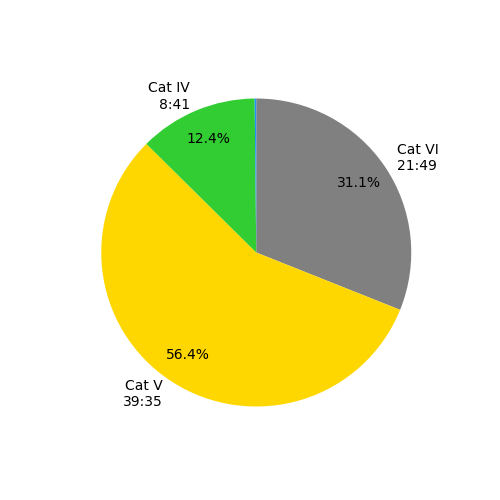
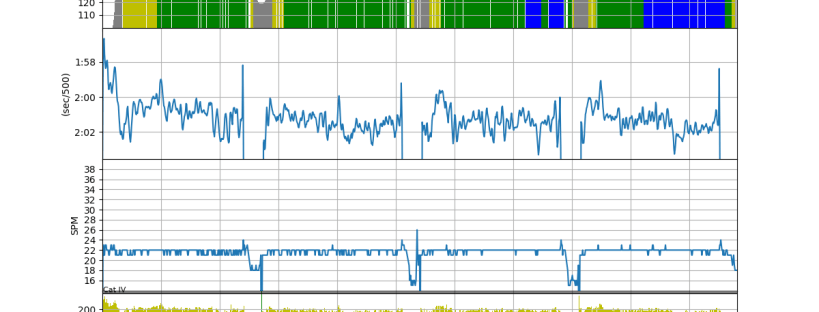
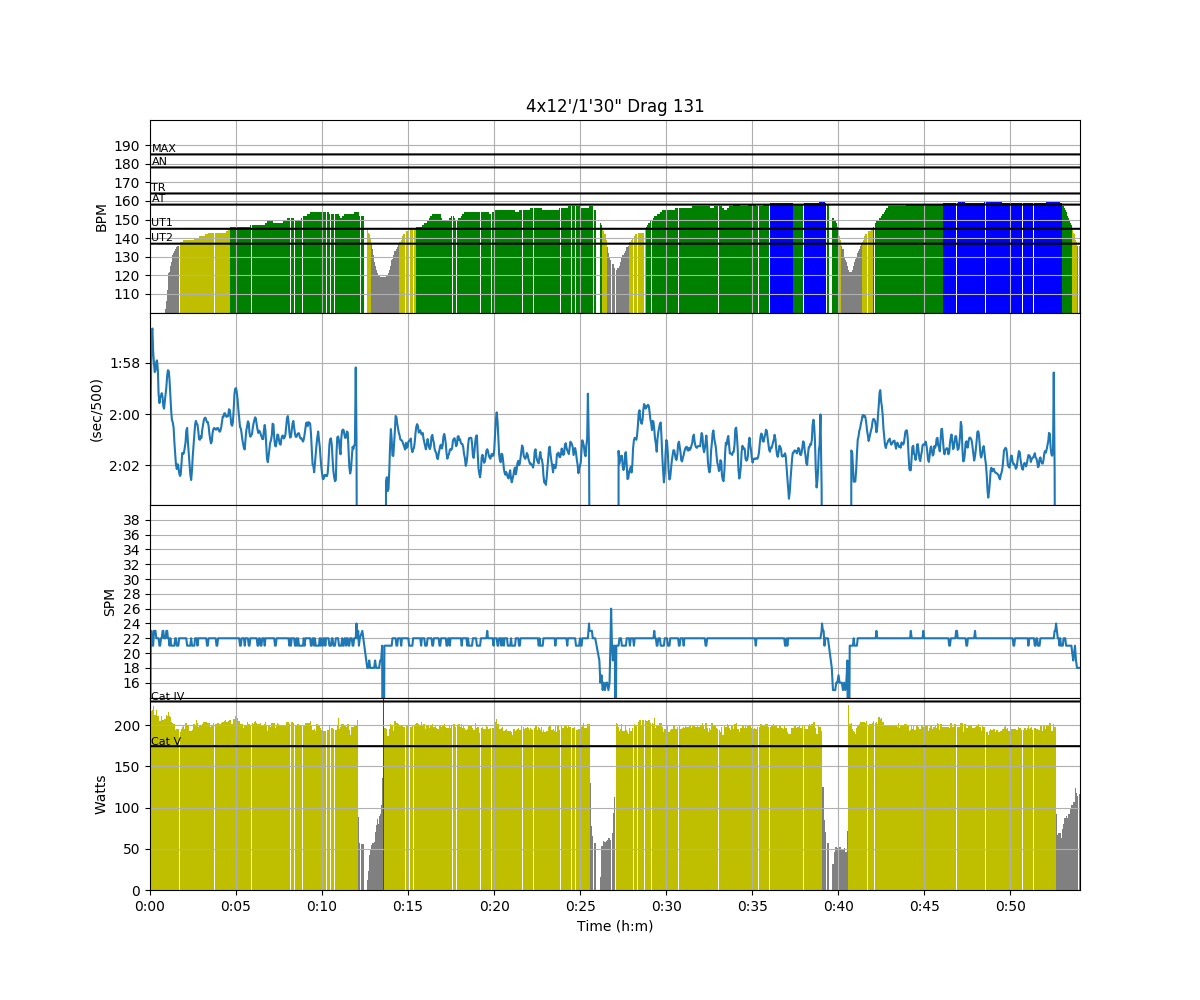
  • 4 x 12′ / 1’30”
  • Cat V: Pace – 2:01, rate: 22

I started off trying to use ergdata with a usb cable to the PM3.  That worked for about 8 minutes.  Then I started to get “Are you finished rowing” messages flashing up on the phone, and I would ignore.  They would go away in a few strokes and everything was fine.  However, in a minute or two, the ergdata screen stopped updating, but the PM3 kept happily counting down.  This is starting to piss me off.

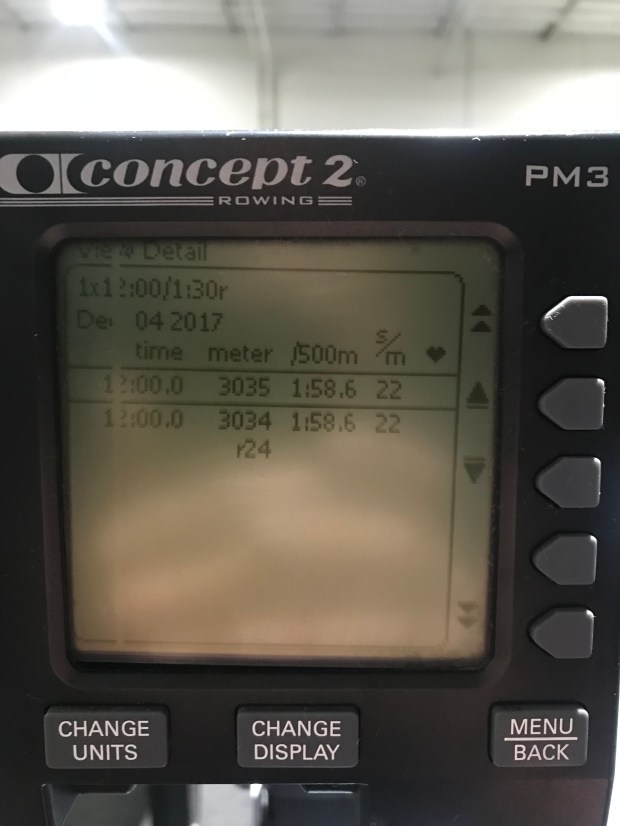
The excitement of rowing in a new gym with all the activity around me caused me to row with a bit too much vigor in this first interval.  Instead of the target 2:01, I ended up with a 1:58.6 avg pace.  Bad Greg!

2017-12-04 19.11.31

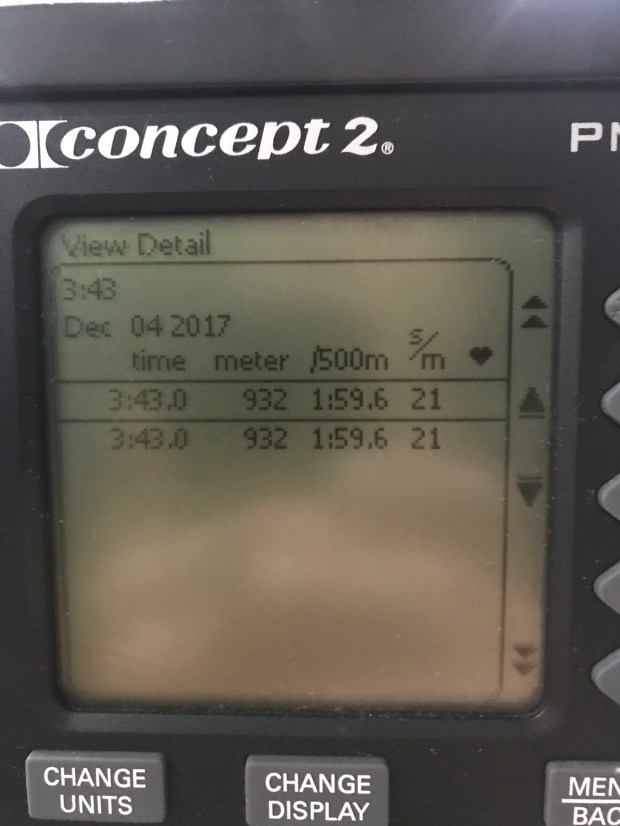
So, determined to get my data, I changed machines.  The second machine I sat on, wouldn’t link up at all, and the third hung up about 3 and a half minutes into the second interval.

2017-12-04 19.10.56

By this point I had done enough experimentation on the USB connection, I decided to default to the good old days.  I connected my HR sensor to the wahoo app, which always works and did 3 more 12′ intervals that way.

2017-12-04 19.10.44

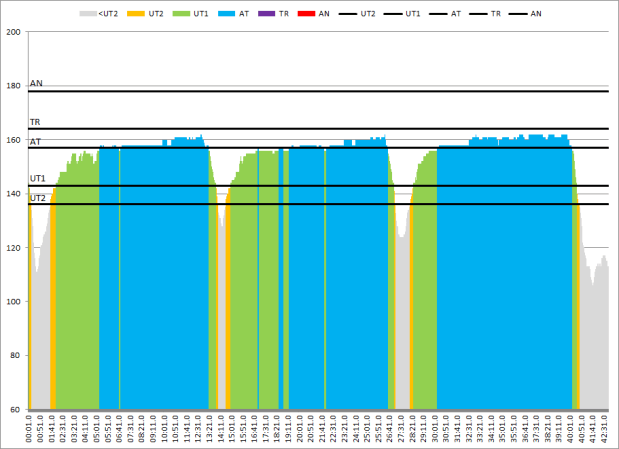
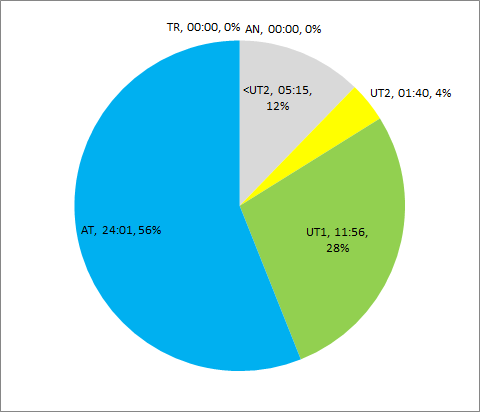
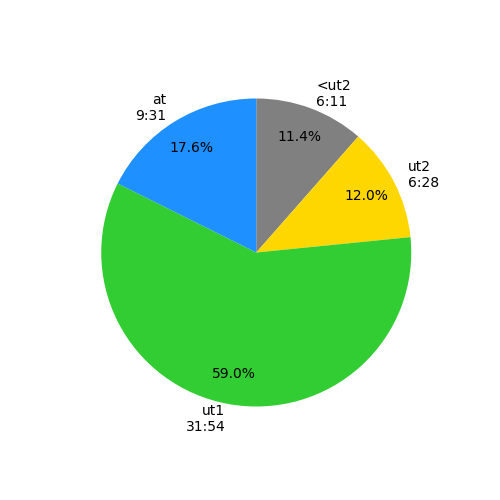
My heart rate was through the roof, even though I slowed down considerably.  At least I was able to get it to plateau around 160.

12-4a

12-4b

It was a pretty short workout so I am not overly worried about it being a black hole session.

Tuesday:

Back at NorCal Crossfit.  Today, I had no desire to screw around with ergdata and usb cables.  I just went with the tried and true manual method.

The Plan:

  • 5 x 2000m / 2′ rest
    • 1500m: r22, 2:01
    • 500m: r24, 1:55

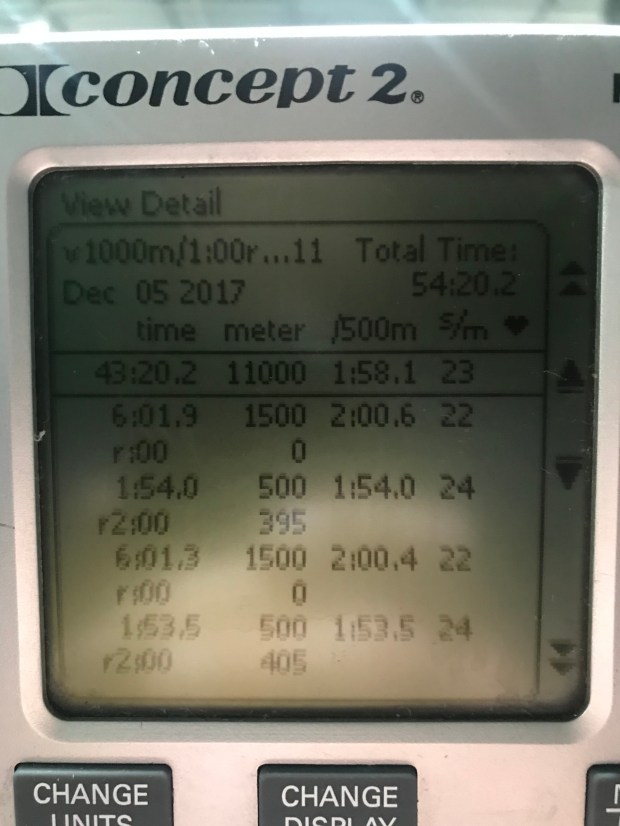
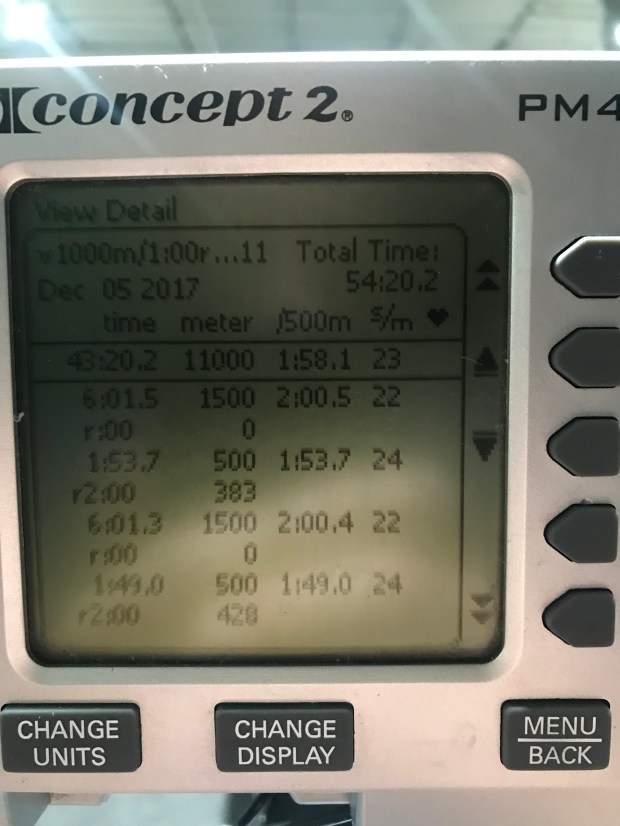
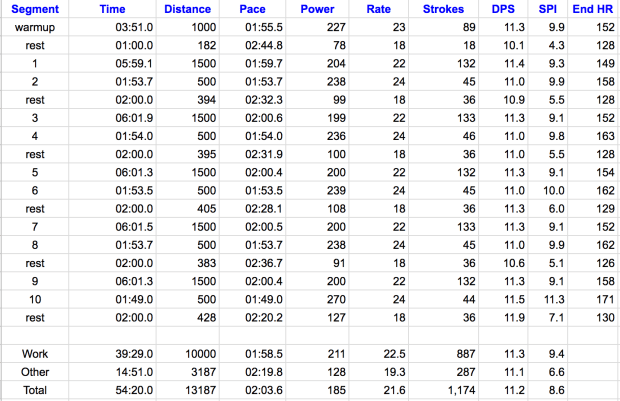
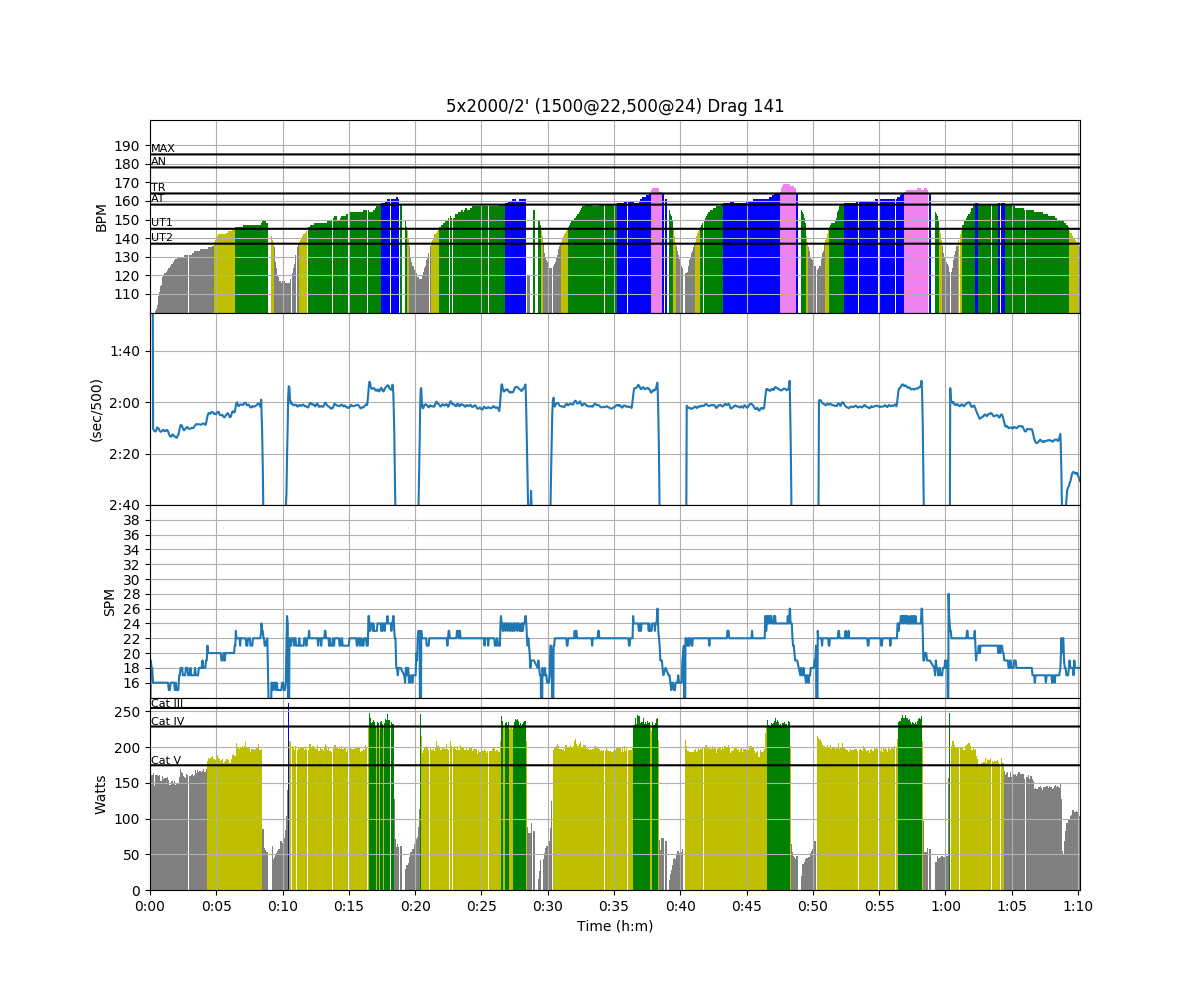
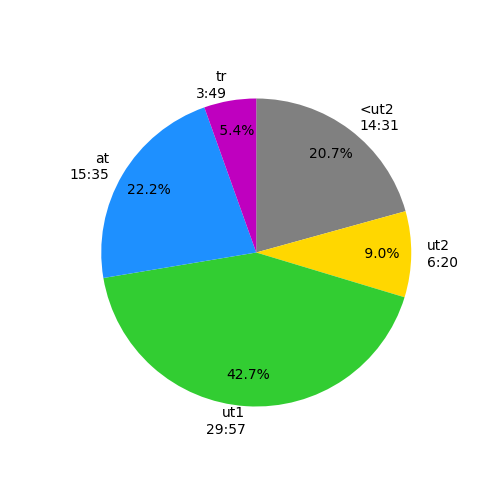
I’ve done this workout a few times before and I’ve enjoyed it every time.  Today, I set it up as a variable interval session on the PM4 of the rower I picked so I could see an accurate avg pace for each segment.  This was an elaborate 11 segment workout that I managed to get exactly right the first time I tried.  It sure made me wish that there was a way to define workouts in an app and download them to the PM.  Maybe someday.

Anyway, the workout went great.  HR was a bit high, but was generally reasonable for the lack of sleep and large amount of caffeine that I had consumed during the day.  I tried to behave during all the reps until the last 500, when I got a bit crossfit happy.  I maintained the 24 spm rate, but pushed the pace below 1:50.  It was a very satisfying way to finish.

12-5a

12-5b

That’s a bit hard to deal with, so here it is in spreadsheet form.

Screen Shot 2017-12-06 at 1.13.27 AM

So, now I am flying to Taipei.  I will arrive around 6am local time.  I’m planning to go to the hotel, check in, take a quick nap and then head to the office for some meetings.  Then to a customer event in the afternoon and evening.  I lose Wednesday to time zones and Thursday is a rest day.


Great Video & Presentation: Optimizing endurance training adaptation – Stephen Seiler

Link to the video on the Oxford Brooks Video Portal

One of the articles that has had the biggest effect on how I train is a survey article by Stephen Seiler.  Published in 2009, I found it in 2012 and it was the first peer reviewed article that I had seen which laid out the case for polarized training, and even included some findings for recreational athletes.

I had seen research that showed that polarized training, with split of 80% low intensity (LIT) and 20% high intensity (HIT) was optimal for elite athletes who train >10 hours a week.  But what about schmucks like me, who train for fun and have jobs and lives.  The key question for me was whether the ratio between LIT and HIT should change if the amount of training is lower?  The article directly addresses that question…

Screen Shot 2017-12-04 at 11.09.02 AM.png

Screen Shot 2017-12-04 at 11.09.12 AM

This was hugely influential for me and I took the advice to heart.  I tried to keep the intensity of my endurance workouts low, and the duration as long as I had time for.

The next bit of Seiler wisdom that I found helpful was a study about individualization of training.  I have previously written about it here.  The great thing about this study was reinforcing just how big the differences in response was between different athletes for the same training stimulus.  He cited a study that was comparing different approaches to block periodization.  There was a slight, statistical advantage to one approach, but the variation of response between athletes in each training group was much larger.  His conclusion was that the same approach will not work for everyone.  This is a pretty important lesson to learn since there are a lot of people who will cite their own results (or a national team’s results) as “proof” that a certain approach works.

So much of what works and doesn’t work has to do with how well a training approach matches your basic physiology and current training state.  If you have tons of slow twitch muscles and do better at long distances, then you are likely to have different training needs than if you a fast twitch sprinter.  In my own training, it has become apparent over time that I need a LOT of low intensity rowing to make improvements in my endurance.  Others can by with a lot less.

So, it is with that background that I watched the video linked at the beginning of this post.  I am inclined to pay attention to stuff that he presents because it seems to be well researched, and because it has resulted in good results for me.

This video reviews a fair amount of stuff that he has done before, but introduces a couple of useful conceptual frameworks to understand training.

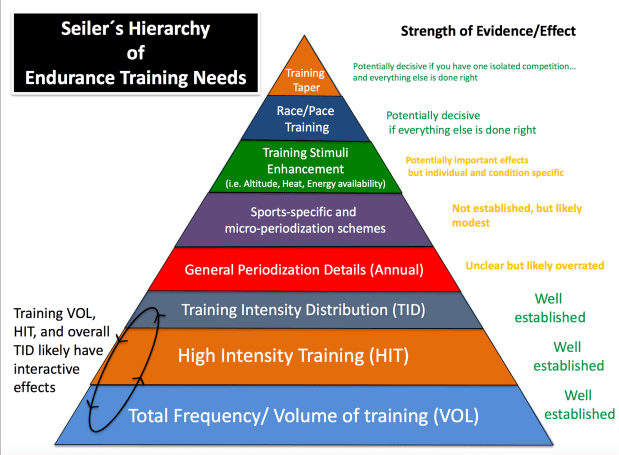
The first is Seiler’s Hierarchy.  Here is a link to an article explaining it.  This set’s up a pyramid to illustrate the priority of different elements of training on race day performance.
Screen Shot 2017-12-04 at 12.26.42 PM.png

At the base of the pyramid is training volume.  As he puts it, there is a lot of peer reviewed research that shows a strong correlation between training volume and race performance.  Miles do make champions.

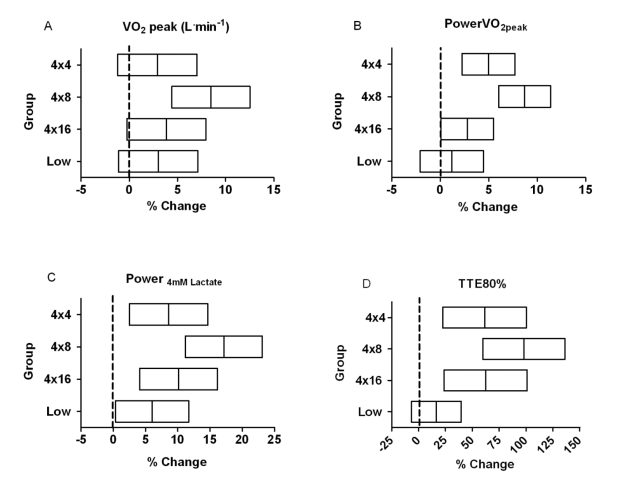
The next level of the pyramid is High Intensity Training.  The point here is that you need more than just the long slow stuff to actually improve.  In addition, you need training that is hard enough to push your heart rate to 90% of your max, or higher to deliver adaptation.   So, within that framework, I guess it is safe to safe that “No Pain / No Gain”.  He discusses potential ways to do High Intensity Training and cites a study comparing 4 minute, 8 minute, and 16 minute intervals.  He didn’t show this in the video, but it summarizes the finding of that study.
Screen Shot 2017-12-04 at 12.09.21 PM.png

He made the point that there might be a sweet spot around the 90% HR level and that workouts that maximized the time at or around the 90% level might be more effective than shorter workouts that achieve higher heart rates, but for shorter durations.

The third level of the Pyramid is Training intensity distribution.  This is where polarization comes in.  He presented findings from rowing, skiing and running that showed that elite athletes generally spend their time training at much slower or faster paces than the actual race pace.  This is where 80/20 comes from.

These three tiers represent the solid base of a training plan.  Beyond that, you get into areas that are likely to have an impact, but the effect is less and the research is less solid.  In the linked presentation, but not the video, he goes into detail about the study on block periodization studies.  This research compared three block periodization strategies.


Then they looked at the results for the athletes that participated.

Screen Shot 2017-12-04 at 12.20.40 PM.png

So, basically, all three worked great for some athletes and didn’t work at all for some athletes.  This is the basis of his talk about individualization.  You need to track what you’re doing and if you aren’t making progress, you should try something different with regard to periodization.  There is good evidence that doing the same thing for longer than 8-10 weeks will result in diminished improvement, but it doesn’t matter as much what change you make.

The remaining levels of the pyramid are essentially the icing on the cake.  They have been shown to have some benefit on race performance, but can’t be used to substitute for having a good base.

The other useful concept in the video was a discussion of dose/response curves.  He described the similarity between training and medication.  Basically, you have two effects as you increase the dosage of something on the subject.  There is a desired effect, and there are side effects. The desired effects of training are increases in maximum power, VO2Max, Lactate Threshold, and aerobic endurance.  The side effects of too much training are injury, illness and in my case an angry spouse.


Each curve is basically s-shaped.  You need to get to some minimum dose before you start to see the desired effect, then that effect increases with increasing dose.  At some level, the desired effect levels off, even with higher doses.  The key to finding the right dose is figure out a level where the desired effect is maximized, but the side effect is still low.  This is a good concept to keep in mind to ward off the “more is better” mindset.  It is also useful to keep in mind around polarized training.  The intent of long slow training is different than that of intense HIT.  Each has it’s own dose / response curve, but they can effect each other.  A way to think of this is that the desired effect curve is specific to the exercise intensity, but the side effect curve is driven by sum of all the training.

The challenge is that it’s pretty tough to know where the knees of the desired response and side effect curves are in practice.  That’s where we end up relying on rules of thumb.  Examples of these rules:

  • You need to accumulate time above 90% HRMax to get a good response to HIT
  • That the side effects of LIT volume are driven mostly by the specific type of sport being trained.  They are lower for running and higher for non-impact sports like rowing
  • That decreased Heart Rate Variability is a sign of over training

These are all pretty squishy and that’s where training planning gets tougher.


4 x 20′ / 3′


It was a fantastic workout.  I did it in the basement on the old rowing machine from work.  I brought it home to fix it on Friday.  A couple of new screws, and resetting the rower type in the PM5 was all that was required to have it working like new.

The plan:

  • 4 x 20′ / 3′
  • Cat VI (pace: 2:06-2:11, rate: 18)

Actual

My HR hardly every broke 140 and every stroke felt effortless.  I am really happy with how my base endurance seems to be improving with Roylerow training plan.  I am looking forward to the next round of tests (20′ and 75′) that are coming up in a couple weeks.

Tomorrow, I head off to San Francisco.  I’m there on Monday and Tuesday, and then I fly to Taiwan for meetings on Thursday and Friday.  I will get back on Saturday morning.  Depending on how the day goes tomorrow, I might try to get a workout done in the evening.  If I do, it will be a 4×12’/1’30” at r22 and 2:01 pace.

On a side note, I had another PM related problem in today’s workout.  It dropped the connection to my phone 70′ minutes into an 80 minute workout and started to throw error messages.  I’ve seen this before when the batteries get low, and swapping them after I finished seems to have fixed the problem.  It is crazy that the mechanics of the rowing machine are so robust that a machine that is probably 20 years old can be restored to working order with two screws and windex, but the electronics are so half baked that they can’t even let you know when the batteries are running low.  I hope that they can make improvements in the PM over time, because I think it is holding them back in the broader fitness market.


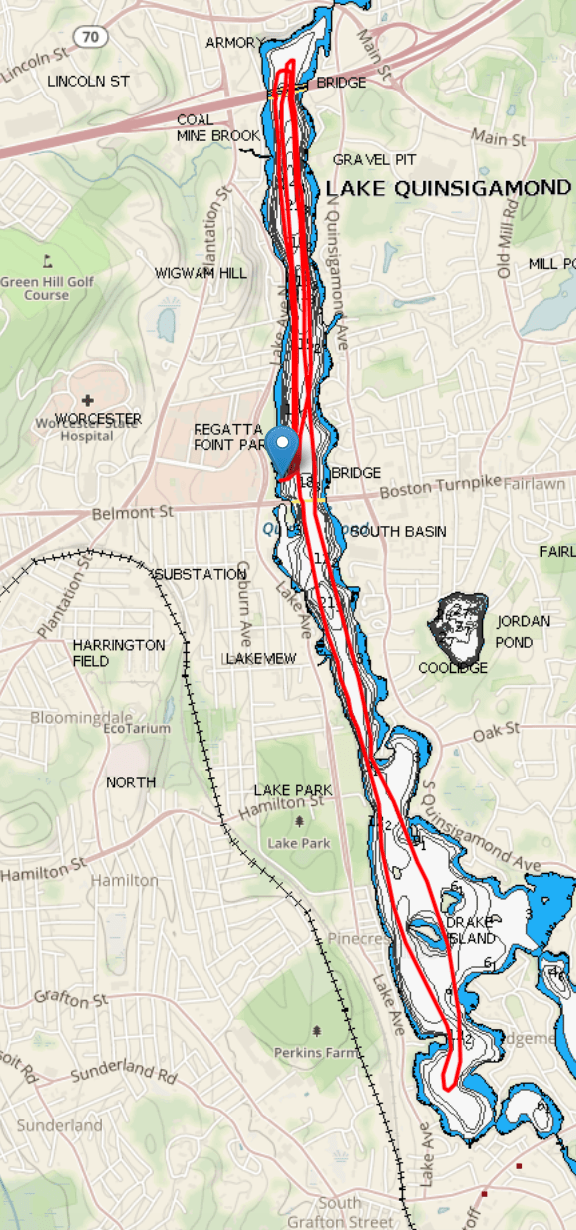
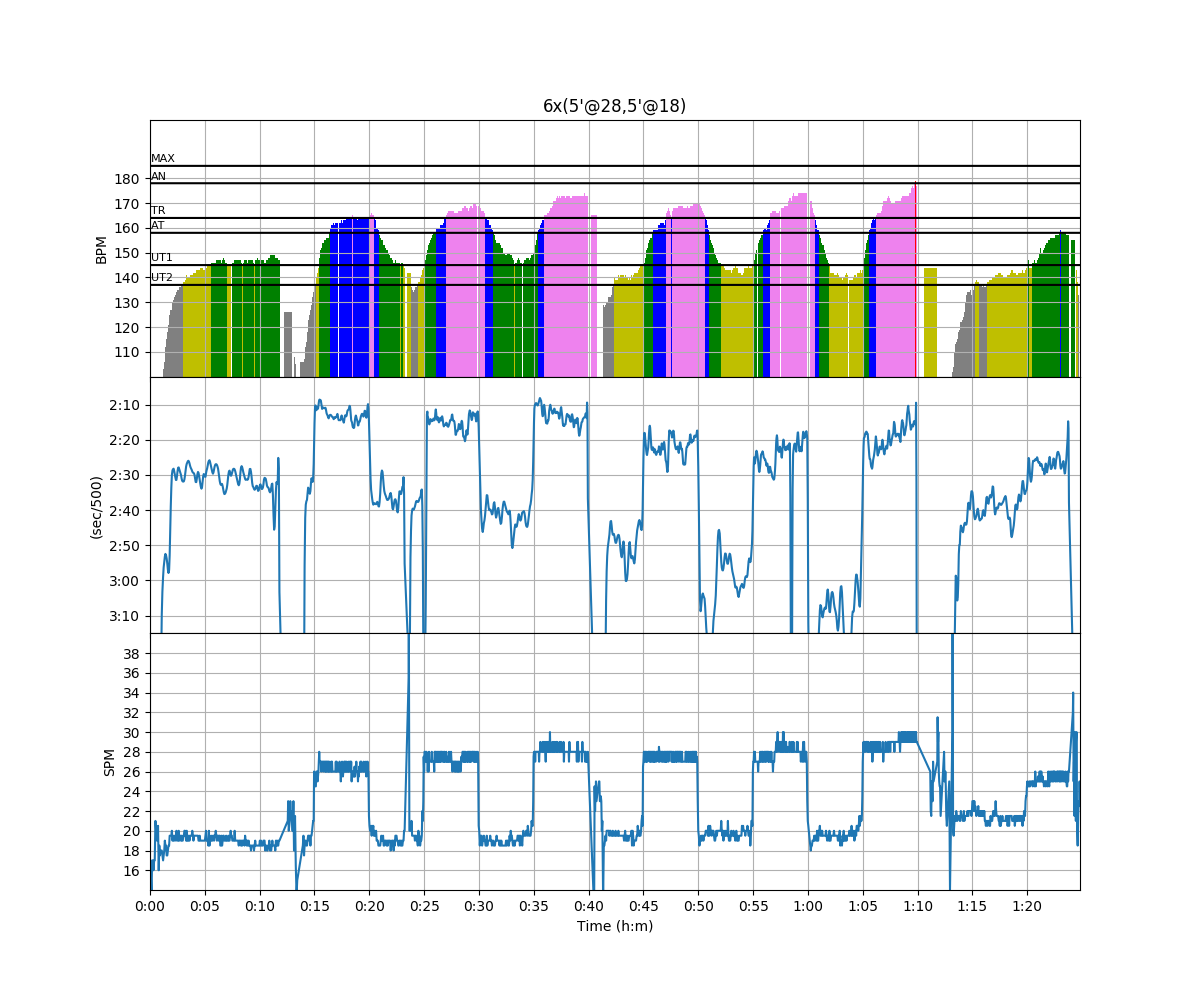
Saturday: 6 x (5′ @ 28, 5′ @ 18) On the Water! In December!

What an unexpected treat.  Joe texted me yesterday afternoon and asked if I wanted to go rowing this morning.  The forecast was favorable.  Very light wind, sunny and right around freezing.  It sounded like a great idea to me.  I asked him if he was up for the workout I had scheduled in the training plan for Saturday.  Lucky for me, he was!

The plan:

  • 40 to 60 minutes
  • 5 minutes at r28 and Cat III pace (1:51 on the erg)
  • 5 minutes at r18 and Cat VI pace (2:06 to 2:11 on the erg)
  • Stop only as needed to rehydrate

So, the first challenge is to translate this into a good OTW workout.  I decided to focus on the rates.  That translates well.  The lake is a little more than 25 minutes from top to bottom, so we could fit in 5 – 5 minute segments each way.  So, we would warm up to the north end of the lake, then row south to do 3 segments of r28 and 2 segments of r18, then spin to go north.  I decided to let the spin be part of the next 5 minute r18 chunk.  Then we would probably have enough lake to finish that 5 minutes at r18, and do 5 more segments to the north end of the lake.  It worked out perfectly.  We finished with about 200m of lake left.  Then we cooled down coming back to the boat house.

There was a bit of wind from the north.  Not enough to effect the set of the boat, but enough to slow down the northbound splits.  The boat felt much heavier going that way, then going south.  It took a couple of reps to get used to the rate that high, but by the third, I felt like we we rowing well together and the boat was moving.

After we turned north, I felt a big blister on my left hand blow up and by the time we were halfway up the lake, my left handle was a bloody mess.  I sprayed bloody blister juice all over the rigger and the stern of the boat.  The stickiness started to make it a bit tougher to cleanly feather, but it didn’t screw things up too much.  I sure noticed it after we finished the main set and started the cool down.  Both my hands were stinging badly.  Oh well, that’s what you get when you only get out on the water once every couple of weeks.

It was totally worth it!

Screen Shot 2017-12-02 at 3.31.47 PM.png

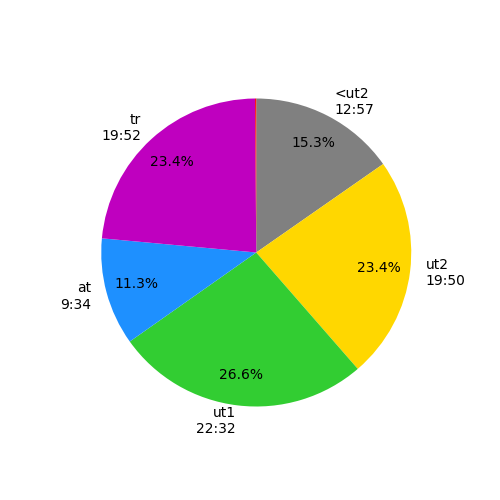
          Workout Summary - media/20171202-195851-Greg Smith 20171202 0913amo.csv
--|Total|-Total-|--Avg--|-Avg-|Avg-|-Avg-|-Max-|-Avg
--|Dist-|-Time--|-Pace--|-Pwr-|SPM-|-HR--|-HR--|-DPS
--|15751|84:49.0|02:41.6|000.0|23.7|152.2|179.0|07.8
W-|14706|74:13.0|02:31.4|000.0|23.3|153.7|179.0|08.6
R-|01052|10:36.0|05:02.3|000.0|21.3|116.8|179.0|00.0
Workout Details
#-|SDist|-Split-|-SPace-|-Pwr-|SPM-|AvgHR|MaxHR|DPS-
01|01951|09:45.0|02:29.9|000.0|19.0|144.3|149.0|10.5
02|01138|05:00.0|02:11.9|000.0|26.2|159.5|165.0|08.7
03|00925|05:00.0|02:42.1|000.0|19.9|148.3|166.0|09.3
04|01132|05:00.0|02:12.5|000.0|27.2|163.5|170.0|08.3
05|00943|05:00.0|02:39.1|000.0|19.3|153.1|170.0|09.8
06|01130|05:00.0|02:12.8|000.0|28.1|169.0|174.0|08.0
07|00608|03:24.0|02:47.7|000.0|19.7|139.6|145.0|09.1
08|01063|05:00.0|02:21.2|000.0|27.5|163.5|170.0|07.7
09|00838|05:00.0|02:59.1|000.0|19.8|149.3|171.0|08.5
10|01048|05:00.0|02:23.1|000.0|27.8|166.1|174.0|07.5
11|00785|05:00.0|03:11.0|000.0|19.6|147.0|174.0|08.0
12|01076|05:00.0|02:19.4|000.0|28.8|168.0|179.0|07.5
13|02068|11:04.4|02:40.6|000.0|23.2|143.9|159.0|08.0

Tomorrow:

  • 4 x 20′ / 3′
  • Cat VI: r18 / 2:06-2:11


Friday: 45 minutes with bumps

I flew back from Dallas last night and got home around 12:30am.  I slept in to about 7:30, and eventually made my way to work.

Around 12:30 I headed to the gym and discovered to my horror that the noon time fitness class was using the rower!  So, I did my Physio homework while I waited for them to finish up.  That there was some really ugly rowing, all with the damper set to 10.  Why do people subject themselves to that kind of abuse?

Around 1:00 I was able to hop on and do my planned session:

  • 45′ continuous with bumps
  • Cat VI (rate: 18, pace 2:06)
  • Every 5 minutes 20 stroke burst at r32+

The only modification was to change the 20 stroke burst to be a 40 second burst.  This worked out to 21 to 24 strokes depending on how well I rated up.

I thoroughly enjoyed this workout, although when you really sprint your guts out for the bump, it’s really hard to focus on holding the split when you slow back down.  The first 30 seconds, I find very unpleasant.

          Workout Summary - media/20171201-1840300o.csv
--|Total|-Total-|--Avg--|-Avg-|Avg-|-Avg-|-Max-|-Avg
--|Dist-|-Time--|-Pace--|-Pwr-|SPM-|-HR--|-HR--|-DPS
--|11234|44:59.0|02:00.1|230.1|21.4|153.5|174.0|11.7
W-|11243|44:59.0|02:00.1|210.8|20.2|153.6|174.0|12.7
R-|00000|00:00.0|00:00.0|000.0|00.0|000.0|174.0|00.0
Workout Details
#-|SDist|-Split-|-SPace-|-Pwr-|SPM-|AvgHR|MaxHR|DPS-
00|01041|04:20.0|02:04.9|174.6|18.0|124.3|134.0|13.3
01|00213|00:40.0|01:34.1|400.7|31.0|139.3|150.0|10.3
02|01037|04:20.0|02:05.4|182.4|18.3|148.0|158.0|13.1
03|00213|00:40.0|01:34.0|406.5|31.5|148.6|159.0|10.1
04|01038|04:20.0|02:05.2|179.1|17.9|152.2|165.0|13.4
05|00211|00:40.0|01:34.6|404.6|31.7|150.4|160.0|10.0
06|01032|04:20.0|02:06.0|177.7|18.0|154.1|167.0|13.2
07|00212|00:40.0|01:34.5|398.1|32.5|151.0|161.0|09.8
08|01035|04:20.0|02:05.6|182.3|18.5|156.6|168.0|12.9
09|00209|00:40.0|01:35.6|388.6|31.9|153.4|162.0|09.8
10|01038|04:20.0|02:05.2|182.6|18.4|158.3|168.0|13.0
11|00212|00:40.0|01:34.2|416.4|33.0|156.3|164.0|09.7
12|01037|04:20.0|02:05.4|180.3|18.2|161.2|172.0|13.1
13|00214|00:40.0|01:33.4|418.1|33.5|158.9|166.0|09.6
14|01032|04:20.0|02:06.0|176.0|18.1|163.1|172.0|13.1
15|00214|00:40.0|01:33.4|411.2|33.3|158.2|166.0|09.7
16|01039|04:20.0|02:05.1|183.9|18.7|164.7|174.0|12.8
17|00218|00:40.0|01:32.0|461.8|36.4|163.6|172.0|09.0

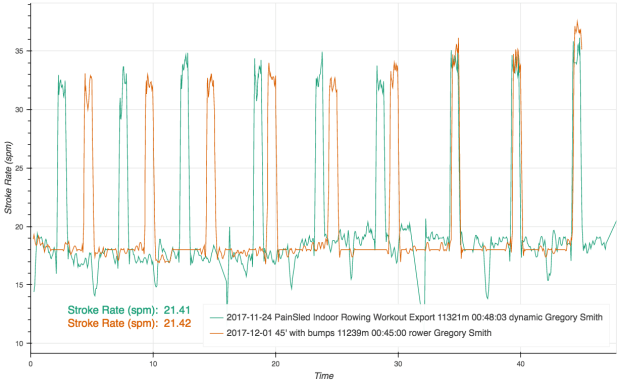
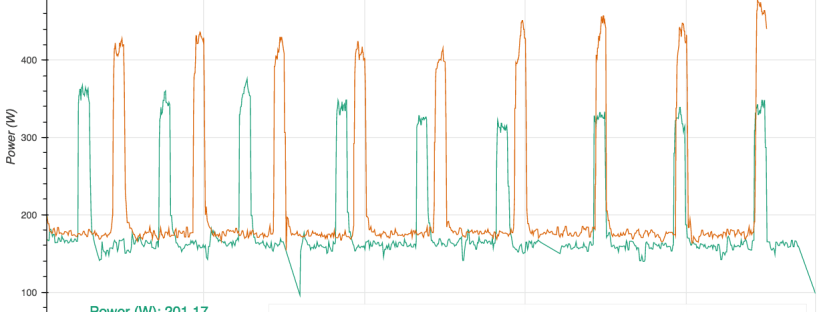
So, compare this to a very similar workout on the dynamic.  In that workout, I did take 2 1′ breaks and I also did some pause drills during the slow parts.  That explains why my HR ended up going higher today.  The rate is quite similar.  The power is where things are remarkably different.  I was putting up 100 more watts in the bursts today.  And I was working on technique.  I was really concentrating on getting my hands away fast and holding my knees down when I rated up.

12-1b12-1c12-1a

Tomorrow:  The weather looks good so I am going to go rowing.  Tough workout though.   6 x (5′ @ 28, 5′ @ 18).  I can’t wait!

Thursday: 4 x 20′ / 3′ at West Plano Crossfit

Wednesday:  Travel day to Texas.  Flew down in the late morning, had a big prep meeting and a customer dinner.  On the plus side, I got back to the hotel by 10pm and I was asleep by 11.

Thursday:  I headed over to West Plano Crossfit at 5:30 in the morning.  I was scheduled for a nice easy endurance session.

Plan:

  • 3 x 20 / 3′
  • Cat VI (pace: 2:06, rate: 18)

Today was the day when I was going to try out my new iphone USB cable connection.  I had some doubts, because the way you make the connection is to buy a cable from LiveRowing and then use it with other apps.

I plugged in the cable to my phone and then into the PM3.  Then I discovered that the cable is too short to allow the phone to rest anywhere, so I need to have a phone cradle.  For today, I grabbed a velcro wrist brace and strapped the phone to the monitor arm.  I arranged so that I could just see the HR value, since that was the only thing that wasn’t on the PM3 screen.

I ran into a couple of other funny things.  First, if the cable was connected, then my bluetooth headphones would connect but not play.  But if I connected the headphones and then plugged in the cable, all was good.  Finally, when I went to take a monitor picture when I finished, I noticed that the camera would not work with the cable plugged in.

OK, with the head phones fixed, music on, cable plugged in, HR monitor turned on, I went to try to use painsled.  No luck.  It did not see the PM3 connected through the cable.  So then I tried ergdata.  Success!  It connected right away and even let me connect my HR monitor via my phone.  This is the way to get HR on a PM3 as far as I’m concerned.  You can’t see it on the screen, but at least you get all the pace, rate, power and HR data together.
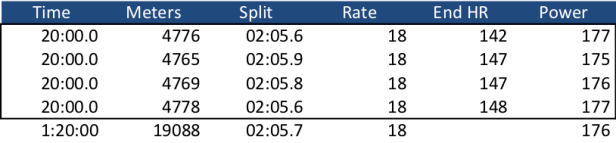
So, off I go.  And I’m feeling great.  I go through 20 minutes and my HR is only up to about 142, and it feels easy.  So, I do another 20 minutes.  again, it’s pure delight.  I’m rowing easy, enjoying the music. hitting my numbers.  then the next rest and another 20 minutes, finishing up with a HR about 147.  One of the things that helped pass the time was the WOD (workout of the day) that the crossfitters were doing.  It was a AMRAP (As Many Reps As Possible) of some running, some dumbell snatches, then a 500m row, then somethings else.  But basically, every few minutes there would be this big rush to the rowers and they would flail wildly for a couple minutes and then run away.  It was very entertaining as I plodded along at my r18 and 2:06 pace.

Anyway, I finished the 3rd 20 minute piece and I felt fresh.  My HR was nice and stable around 147.  And since I got there so early, I had some time.  I decided to do a bonus 20 minutes and it was also pure bliss.  My HR stayed right at the plateau around 147-148 and I felt like I could have just kept going and going.  I guess that means that this is my “all day pace”.  I kind of spooked the Crossfit coach though, about 15 minutes into it, he wandered over and asked me if I was ever going to finish.  I told him I would be done in 4 minutes and 16 seconds and he seemed OK with that answer.  He was worried that I would want to go past the end of the second class that was going on now.

When I finished, I discovered a data disaster.  While I had overcome significant challenges to get my setup working, I had neglected to check the date on the PM3.  When I tried to sync my workout to the concept2 site, it told me grumpily that it was unwilling to upload my workout because the date was off by too much.  A quick check now revealed that I had unwittingly done my workout 3 months in the future.  The date was set to February 2018 on  the PM3.  So, now I have the most beautiful aerobic workout I have done in recent memory trapped on my phone and there is no way to extract the data.

I’m sorry, but this really pissed me off.  I see that there are incredible benefits to using data to improve the effectiveness of training, but it seems like there are so many traps along the way, that only data lunatics are willing to subject themselves to the constant bullshit that these half assed implementations put us through.  I mean, how hard would it have been for the person coding the sync function to offer an option to fix the date in the error handling code for the mismatch instead of just puking on the user?  It’s the same deal with using the PM5.  There are constant questions on the forum about hangups, drop outs, lost workouts and weird behavior.  Everyone who wants to use data routinely farts around trying different stuff until they stumble upon something that works and then they protect the method like an ancient druid protecting the philosopher’s stone.  Don’t even get me started on RowPro.  If your neighbor downloads pornography while you row, you get tossed out of your happy group row into some isolated world of loneliness like you have stumbled into the “Upside Down” on Stranger Things.  On the water, it’s even worse.  There are a multitude of fragile, incomplete solutions that distract us from rowing.  Not all the time, no, just enough so you never quite trust it.

Right now, I only feel good recommending data driven training approaches to people with a strong engineering background.  I feel like pointing someone who isn’t used to being a beta victim toward using these crappy products is just going to make me look like an idiot.

It reminds of the single best quote about software engineering I’ve ever seen.  If builders built buildings the way programmers write programmers, the first woodpecker would have destroyed civilization.

So, I feel great about the workout, but I am really pissed off at the way concept2 does the sync function on ergdata.  I guess if their intent was to make sure that I always will waste some time before each row to check the bloody date, then they sure taught me the lesson.  But if they wanted to look like the fine post-modern, connected fitness company I think they aspire to be, they sure missed the mark.

Sorry for the rant, I needed to get that off my chest.

foo

And with that workout, I wrap up November.  Total rowing time 28 hours and 5 minutes.  Best in almost 2 years.

foo2

Tomorrow is a new month.  I have a redo of my 20′ and 75′ tests coming up in a couple of weeks and some international travel to work around, and then there’s Christmas.  Let’s see how I do for training hours with those challenges.

Tomorrow:

  • 45′ continuous with bumps
  • Cat VI (rate: 18, pace 2:06)
  • Every 5 minutes 20 stroke burst at r32


Tuesday: 5 x 2000 / 2′ (1500 @ 22, 500 @24)

Tuesday was a bit of a jumble.  I had to be at an offsite meeting at 8am to give some opening remarks, so no morning workout.  Then by 9am, I was on my way the office.  I couple of meetings brought me to around 12:45pm, when I headed off to the gym to do my planned session.

  • 5 x 2000m / 2′ rest
    • 1500m: r22, 2:01
    • 500m: r24, 1:55

Before that, I did the ever expanding set of corrective exercises from the PT.  These are starting to be a real time sink.  I hope the benefit is worth the training time that I am devoting to it.  The exercises have 3 purposes.  First to correct the imbalance between my hips and glutes.  Second to work a bunch of adhesions out of my quads and IT bands and improve hip flexibility.  Third to strength the helper muscles in abdomen to improve my ability to rock over and hold a strong position at the catch and finish with a very stable back.  I guess this is the perfect time of year to work on these issues, but I find it to be maddening drudgery.  I have to look at it as if it was a standard medical prescription and take my medicine.

I noticed that I felt more fatigued from my PT exercises , and I wondering if I was either coming down with the cold that was going through my family last week at Thanksgiving, or just worn out from my battles with the dynamic erg.  At any rate, I thought the erg session would be a struggle, and it was.  This is the same session that I did on 11/17 and 11/21.  The one on 11/21 was remarkably good.  This was a lot more like the one on the 17th.  High heart rates, but otherwise entirely manageable.

I started with a 2000m warmup, basically starting around 2:15 and speeding up to do the last 500m at my target 2:01 pace.

Then into the intervals.  I still want to pull a bit faster at r22 than a 2:01 pace, so I really needed to focus on light strokes, limited layback, and fast hands away to keep from either pulling 1:59s at r22, or 2:01s at r21.  This was actually a really good way to keep my brain engaged in the technique notes that I’ve been getting from Marlene.

As I said above, my HR was high, but I felt good through the session and pleasantly tired, but not beaten up at the end.

I finished with a 2000 happy ending cool down.


          Workout Summary - media/20171128-1920330o.csv
--|Total|-Total-|--Avg--|-Avg-|Avg-|-Avg-|-Max-|-Avg
--|Dist-|-Time--|-Pace--|-Pwr-|SPM-|-HR--|-HR--|-DPS
--|15954|70:39.0|02:12.9|180.5|21.0|149.1|169.0|10.8
W-|10000|39:46.0|01:59.3|206.6|22.2|153.7|169.0|11.3
R-|05957|24:51.0|02:05.2|127.6|18.7|140.0|169.0|15.5
Workout Details
#-|SDist|-Split-|-SPace-|-Pwr-|SPM-|AvgHR|MaxHR|DPS-
01|01500|06:03.7|02:01.2|199.4|21.5|146.6|155.0|11.5
02|00500|01:54.4|01:54.4|235.6|23.8|158.0|161.0|11.0
03|01500|06:02.8|02:00.9|198.3|21.8|149.4|158.0|11.4
04|00500|01:54.4|01:54.4|232.7|23.7|159.9|161.0|11.1
05|01500|06:02.7|02:00.9|199.0|21.8|152.7|160.0|11.4
06|00500|01:54.0|01:54.0|234.2|23.8|162.6|167.0|11.0
07|01500|06:03.5|02:01.2|195.7|21.7|152.7|161.0|11.4
08|00500|01:54.4|01:54.4|232.5|24.2|164.8|169.0|10.8
09|01500|06:02.8|02:00.9|197.6|21.6|154.2|161.0|11.5
10|00500|01:53.8|01:53.8|235.5|24.2|165.1|167.0|10.9

Wednesday is a planned rest day.  I’m flying down to Texas for a couple of meetings.  I’m going to try to find a crossfit box for a workout tomorrow morning. The planned session is a nice easy endurance workout.

  • 3 x 20′ / 3′
  • Cat VI (r18, 2:06)

I’m pretty pleased with how things are going lately.  November is going to be my highest monthly training time in almost 2 years. Here is training time per month going back to May of 2013.  The last time a set a PB was January of 2016.  Do you notice something different in the graph before January of 2016 and after?  I sure do.

foo.png

By a strange coincidence, I got a promotion just about 2 years ago and the amount of travel and work hours ramped up at that time.  If I look closely at the months with low training totals, some of them correlate to months with a ton of travel (Feb-17, July-17), but other correlate with injuries (12-16 – knee surgery, 9-17 – back injury).

So, my conclusion is that I can probably manage about 30 training hours a month.  This would include rowing hours plus aerobic cross training.  It does not include PT stretches and exercises.  If I am traveling heavily, there will be more cross training hours and fewer rowing hours, and most likely a couple of extra “no training” days.

I think one adjustment that makes sense to is approach my schedule to do longer “easy” sessions when I have a time window to do it, and even extend them from 80 minutes to up to 2 hours, if I have the time.  I think there is a strong correlation between total training time and results.


Monday: 4 x 12′ / 1’30”

Plan:

  • 4 x 12′ / 1’30″
  • rate: 22
  • pace: 2:01 to 2:05
  • HR limit: 157

The main point of this workout is precision.  Hitting exactly the target split at exactly the target rate.  In addition, it’s a good chance for me to work on recovery sequence (keeping my knees down)

I did the workout in the fitness center at work around 11 am.  This was about 18 hours after yesterday’s awful 60′ session.  I sure felt sore this morning and I suspect that I was not sufficiently recovered even by my late morning start.

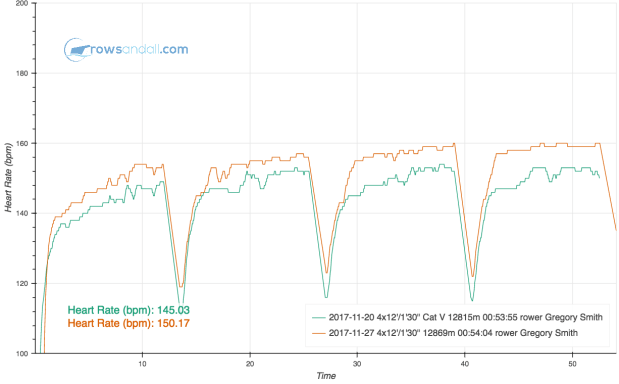
My HR was a higher today than last week, but was only a little high relative to the HR limit.  It plateaued pretty much around 157-159.

          Workout Summary - media/20171127-1720300o.csv
--|Total|-Total-|--Avg--|-Avg-|Avg-|-Avg-|-Max-|-Avg
--|Dist-|-Time--|-Pace--|-Pwr-|SPM-|-HR--|-HR--|-DPS
--|12865|54:03.0|02:06.1|188.5|21.5|149.5|160.0|11.1
W-|11917|48:00.0|02:00.8|198.1|21.7|150.0|160.0|11.4
R-|00953|06:03.0|03:10.8|081.6|19.5|144.2|160.0|09.3
Workout Details
#-|SDist|-Split-|-SPace-|-Pwr-|SPM-|AvgHR|MaxHR|DPS-
00|02999|12:00.0|02:00.0|201.4|21.7|140.4|154.0|11.5
01|02973|12:00.0|02:01.1|197.0|21.6|150.7|157.0|11.5
02|02974|12:00.0|02:01.1|197.1|21.8|153.6|160.0|11.4
03|02971|12:00.0|02:01.2|197.0|21.8|155.1|160.0|11.4

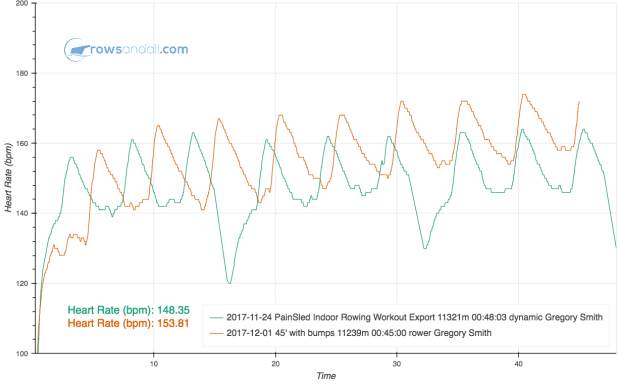
Comparison of HR to last time.

11-27a.png

I like this workout.  It’s pretty short and not too taxing.

Tomorrow:

  • 5 x 2000m / 2′
    • 1500m at r22 and 2:01
    • 500m at r24 and 1:55

This is a redo of the workout I did last Tuesday.